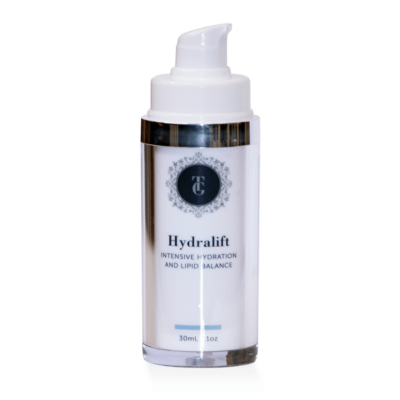
If your skin feels tight, flaky, or rough—but you’re still dealing with breakouts—you’re not imagining things. This confusing combination is very common in winter, and it usually comes down to the difference between dry skin and dehydrated skin.
Dry Skin vs. Dehydrated Skin: What’s the Difference?
Dry skin is a skin type. It means your skin naturally produces less oil (sebum). In winter, cold air, indoor heating, and harsh cleansers can strip away what little oil you have, leaving your skin feeling itchy, flaky, and uncomfortable.
Dehydrated skin, on the other hand, is a temporary condition. It means your skin lacks water, not oil. Any skin type—oily, combination, or dry—can become dehydrated, especially during winter when moisture in the air is low.
Why Dehydrated Skin Can Still Break Out
When your skin is dehydrated, it tries to protect itself by producing more oil. That excess oil can mix with dead skin cells and clog pores, leading to breakouts—even though your skin feels dry on the surface.
Dehydration can also weaken your skin barrier, making it more prone to inflammation and bacteria, which further contributes to acne.
Why Winter Makes It Worse
Winter conditions are a perfect storm for dehydration:
Cold outdoor air holds less moisture
Indoor heating dries out the skin
Hot showers strip natural oils
Over-exfoliating to “fix” flakiness damages the barrier
All of this can leave skin both parched and congested at the same time.
The Takeaway
If your skin feels dry but you’re still breaking out, chances are your skin is dehydrated, not truly dry. The solution isn’t to strip oil or over-treat acne—it’s to focus on hydration and barrier support. Look for gentle cleansers, hydrating serums, and moisturizers that lock in water without clogging pores.
Understanding the difference can help you care for your skin more effectively—and finally break the cycle of dryness and breakouts this winter.